

Marriage, Money, and Modern Love: Gen Z and Millennials
"As a family barrister, I spend much of my professional life dealing with what happens when...

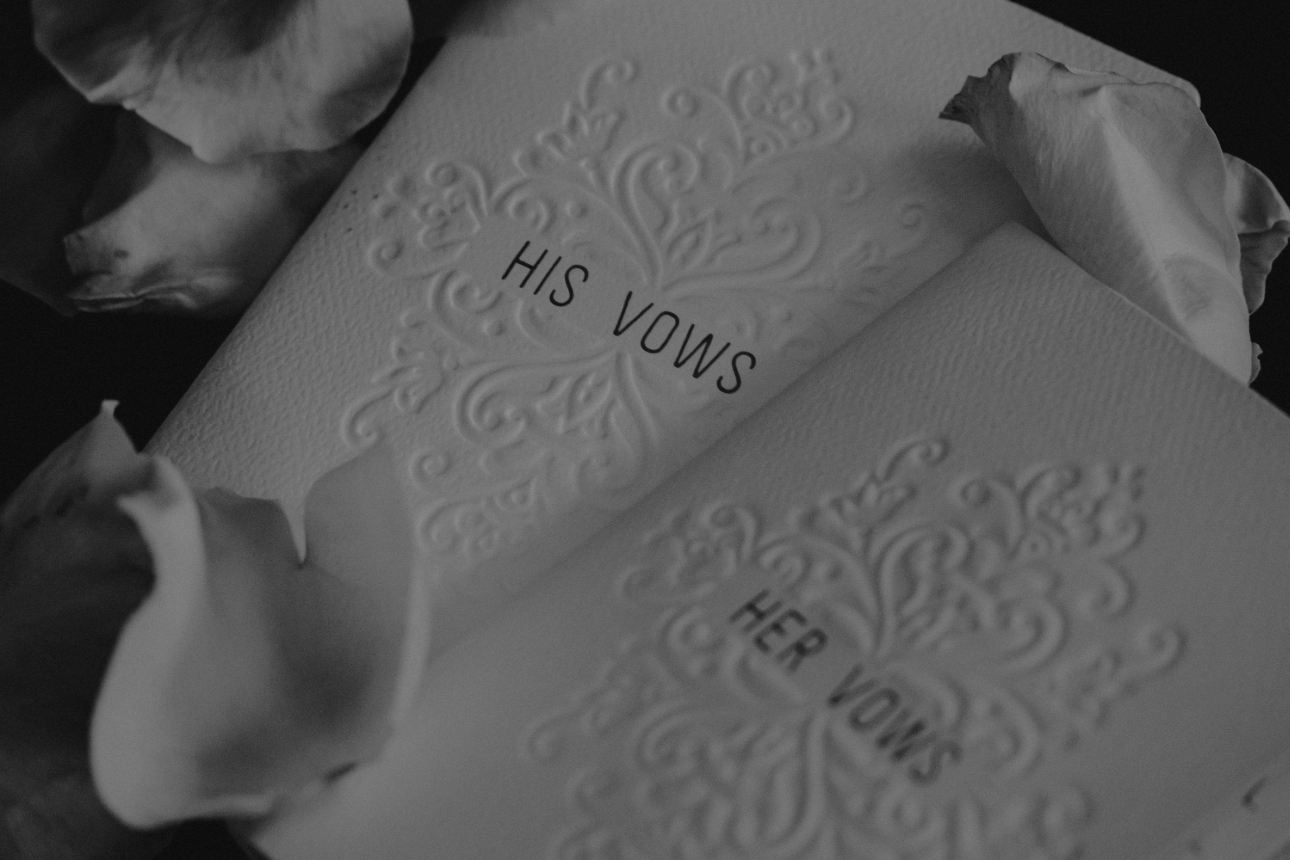
With peak wedding season approaching, experts are warning couples not to rely on AI to write one of the most personal parts of their big day – their vows.
A survey by jewellers Queensmith has revealed that more than half (55%) of UK brides and grooms are now using AI tools to help write their wedding vows and speeches, raising questions about authenticity, originality and even potential legal grey areas.
The findings come amid a growing debate around AI-written vows after a registrar in the eastern Netherlands saw a marriage called into question when AI was used to help write the ceremony script. In the case, the District Court of Overijssel ruled that “no marriage has been established” after it emerged the registrar had relied on ChatGPT to draft parts of the ceremony. The case has sparked wider concerns that AI-generated wording could unintentionally mirror existing vows or scripts found online, raising questions about originality and authenticity.
While AI is becoming a key planning tool, its growing role in crafting what’s said on the day is striking. Couples are turning to the likes of ChatGPT to help them with confidence, creativity and emotional support.
The survey also revealed just how deeply this trend is taking root with:
72% turning to AI because they didn’t know where to start with their vows
53% using AI for inspiration only
31% editing their speeches with AI
19% writing them entirely with AI
63% only feel comfortable with no more than 25% of their vows being AI-generated
So why are couples doing it? Here are the top 5 reasons:
| Rank | Reason | % |
| 1 | I don't know where to start or what to say | 72 |
| 2 | I wanted to make them sound better | 41 |
| 3 | I wanted to make them more romantic and poetic | 25 |
| 4 | I wanted to make them funnier | 9 |
| 5 | I wanted them to sound less cringeworthy | 6 |
The research also revealed that 66% of couples said they would be honest and tell their partner if AI had helped write their vows or speech, while 28% said they would only reveal it if asked, and 6% admitted they would never disclose it, likely out of concern that it might undermine the sentiment of their words.
Wedding expert and Gemmologist Laura Suttie from Queensmith says the trend reflects the growing pressure couples feel to create a "perfect" moment, but warns that relying too heavily on AI risks losing the emotional authenticity that makes vows memorable. "We're seeing more couples turning to AI for emotional tasks like vow writing, not because they lack sincerity but because the pressure to deliver a perfect moment has never been greater," says Laura Suttie.
"With so many weddings being filmed, shared or even live-streamed on social media, people feel their words need to live up to the moment, which can be daunting. Some couples also feel too time-poor to sit down and write something meaningful from scratch. She adds that while AI can be a helpful starting point, couples should avoid letting technology take over entirely.
"AI can help overcome writer's block, but if your vows sound like they could belong to anyone, they lose the meaning that makes them special. Your partner wants to hear your words, not something an algorithm generated."
How to Avoid a Cringe-Worthy Speech Laura Suttie, wedding expert at Queensmith, shares her top 7 tips for writing a speech that feels genuine, confident and heartfelt:
1. Start with structure: Give your speech a beginning, middle and end. A clear structure will help keep you focused to then guide the tone of what you want to say.
2. Keep it concise and heartfelt: Aim for around five minutes. A sincere, well-paced speech will always have more impact than one that tries to say too much.
3. Make it inclusive: Keep your speech appropriate for a diverse audience from grandparents to close friends. Avoid in-jokes or overly personal anecdotes that risks isolating listeners.
4. Use AI to inspire, not replace: AI can help get you started if you're stuck but it shouldn't write your entire speech. Add your own voice and personal touches as it will mean a lot more to your partner and your audience.
5. Read it out loud: Practise, edit and practise again. Reading your speech out loud can help with pacing, confidence and spotting any weird phrasing.
6. Speak genuinely, not generically The most memorable speeches are rooted in real stories and authentic emotion. Focus on your connection, not perfection.
7. Get a second opinion: Before the big day, ask someone you trust to listen. A fresh perspective can help ensure your tone is right and your message resonates.
As AI continues to play a bigger role in modern weddings, it's clear that couples are looking for ways to balance ease with emotion, tradition with technology. To explore how AI is shaping the modern wedding you can read the full survey findings here.